• Welcome to your new Gnomio site

    Now, you are in control!

    Moodle is an open-source Learning Management System (LMS) that provides educators with the tools and features to create and manage online courses. It allows educators to organize course materials, create quizzes and assignments, host discussion forums, and track student progress. Moodle is highly flexible and can be customized to meet the specific needs of different institutions and learning environments.

    Moodle supports both synchronous and asynchronous learning environments, enabling educators to host live webinars, video conferences, and chat sessions, as well as providing a variety of tools that support self-paced learning, including videos, interactive quizzes, and discussion forums. The platform also integrates with other tools and systems, such as Google Apps and plagiarism detection software, to provide a seamless learning experience.

    Moodle is widely used in educational institutions, including universities, K-12 schools, and corporate training programs. It is well-suited to online and blended learning environments and distance education programs. Additionally, Moodle's accessibility features make it a popular choice for learners with disabilities, ensuring that courses are inclusive and accessible to all learners.

    The Moodle community is an active group of users, developers, and educators who contribute to the platform's development and improvement. The community provides support, resources, and documentation for users, as well as a forum for sharing ideas and best practices. Moodle releases regular updates and improvements, ensuring that the platform remains up-to-date with the latest technologies and best practices.

    Links of interest:

    (You can edit or remove this text)

Available courses

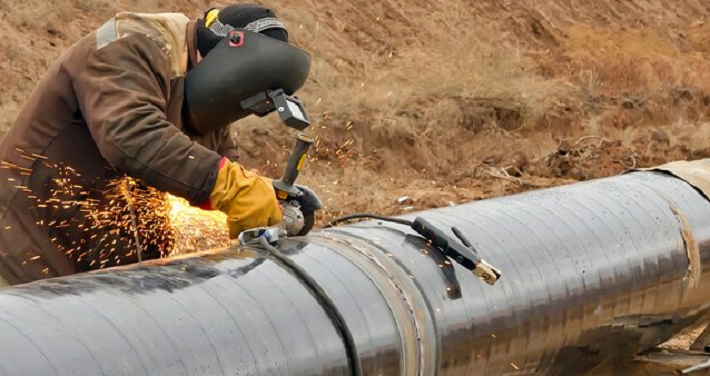
Welding is the process of joining metals with heat, while fabrication is the broader process of creating a metal object by assembling it from various parts, which may include welding, cutting, bending, and shaping. Think of it this way: welding is one specific task, and fabrication is the entire project that uses welding as one of its steps.

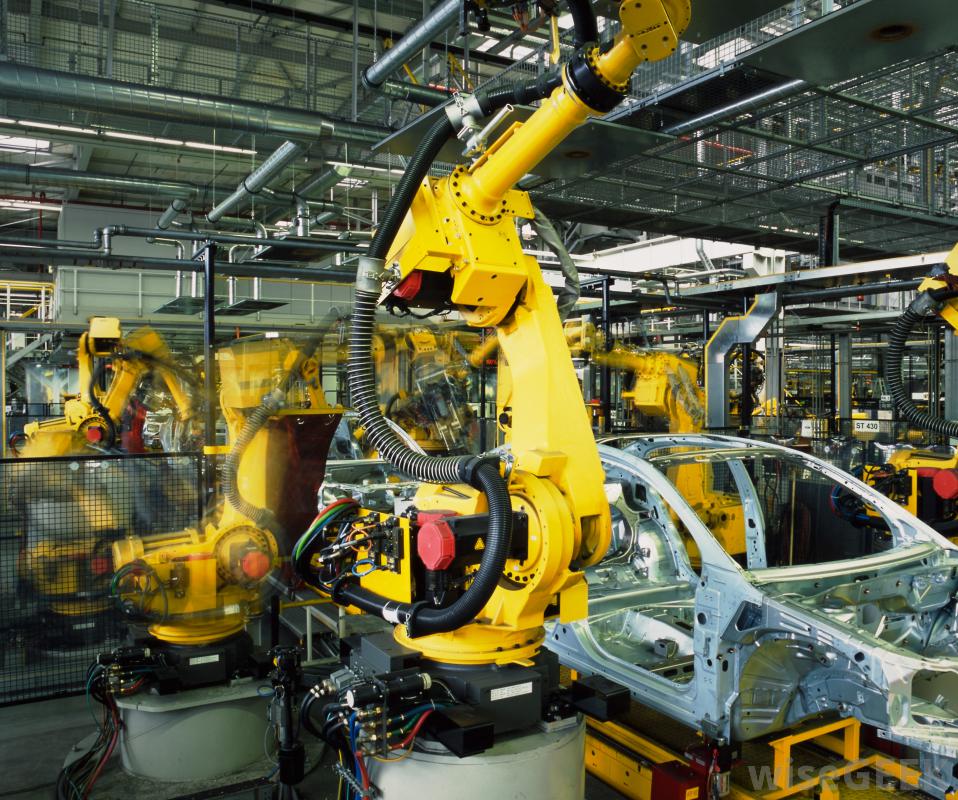
Automotive engineering is a branch of vehicle engineering focused on the design, manufacturing, and operation of vehicles like cars, motorcycles, and trucks. It involves mechanical, electrical, and software elements, and engineers in this field design and test components, conduct research, and work to improve vehicle performance, safety, and aesthetics. Key areas of study include engine and transmission systems, brakes, suspension, and electrical systems. 

Mechanical production is a field that combines the principles of mechanical engineering with production and operations management to design, manufacture, and maintain industrial products and systems. It involves managing the process of turning a mechanical design into a finished product, focusing on efficiency, quality, and safety throughout the manufacturing process. 

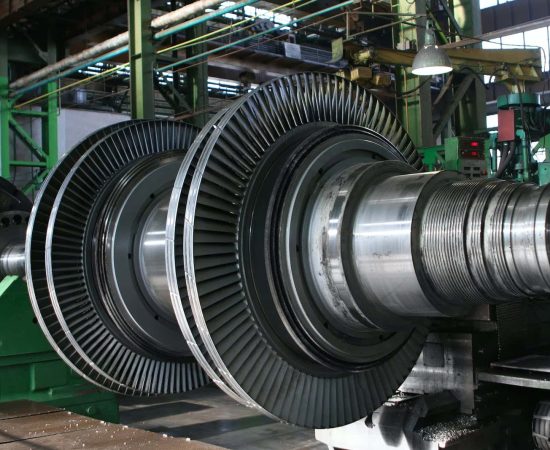
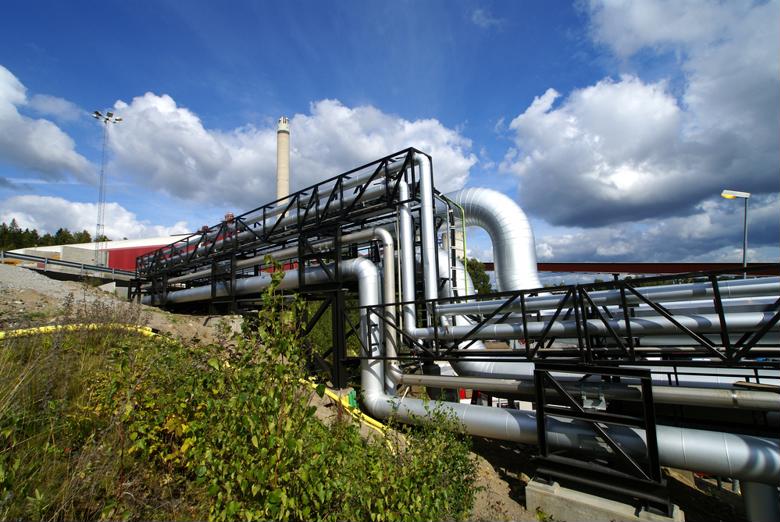
A mechanical engineering plant is a specialization of mechanical engineering that focuses on the design, installation, maintenance, and repair of machinery and equipment within industrial plants, such as factories, power plants, and manufacturing facilities. This field combines core mechanical principles with the specific needs of large-scale operations, including automation, fluid mechanics, and safety protocols. It involves a wide range of duties from troubleshooting complex problems to implementing system upgrades to improve reliability and efficiency. 

Electrical engineering for solar PV involves the design, installation, and maintenance of photovoltaic (PV) systems, which convert sunlight into DC electricity. This field requires understanding system components like solar panels, charge controllers, and inverters, and involves calculations for system sizing based on power needs, as well as expertise in DC-to-AC conversion, energy storage, and system integration. It's a growing area with applications ranging from residential rooftop systems to utility-scale power plants. 

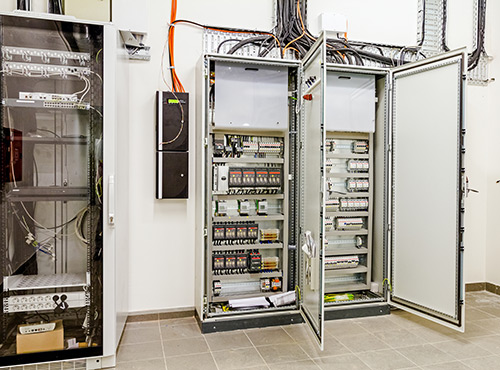
Electrical engineering instrumentation, also known as Electrical and Instrumentation (E&I) engineering, is a field that combines electrical engineering with the design, installation, and maintenance of measurement and control systems. It focuses on using instruments to monitor and control process variables like temperature, pressure, and flow to ensure safety, efficiency, and optimal performance in industrial and manufacturing processes. 

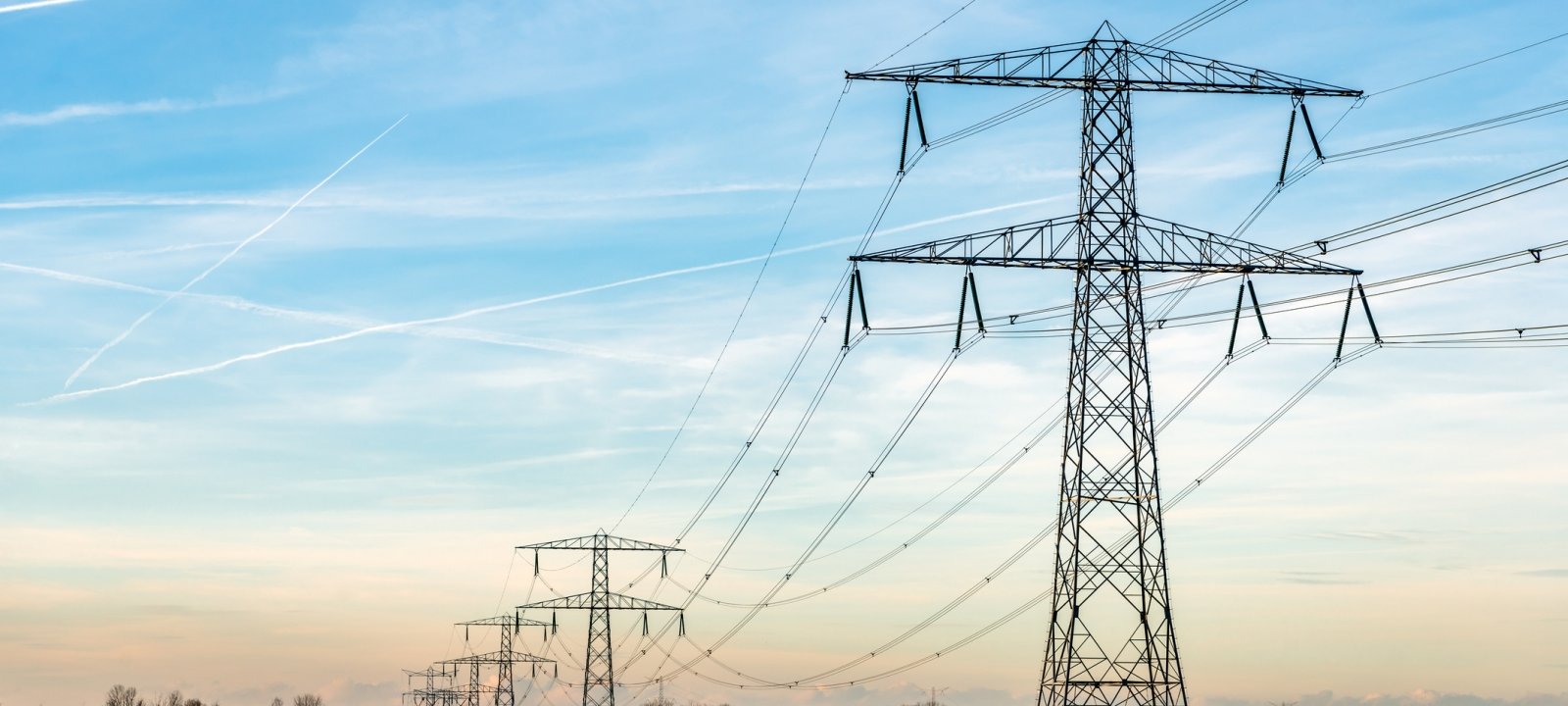
Electrical power engineering is a subfield of electrical engineering focused on the generation, transmission, distribution, and utilization of electric power. It involves designing and managing power systems, including power plants, substations, and transmission lines, and working on improvements like making systems more efficient and incorporating renewable energy sources. The core concept of electric power is the rate at which energy is transferred in a circuit, calculated by multiplying voltage by current (

P=VIcap P equals cap V cap I

). 

Water engineering is the application of engineering principles to the planning, design, and management of water-related systems for both human use and environmental protection. It involves creating solutions for clean water supply, wastewater management, and stormwater control, as well as designing structures like dams, canals, and pipelines to manage water flow. Water engineers work to ensure the safe and sustainable use of water resources for domestic, industrial, and agricultural needs. 

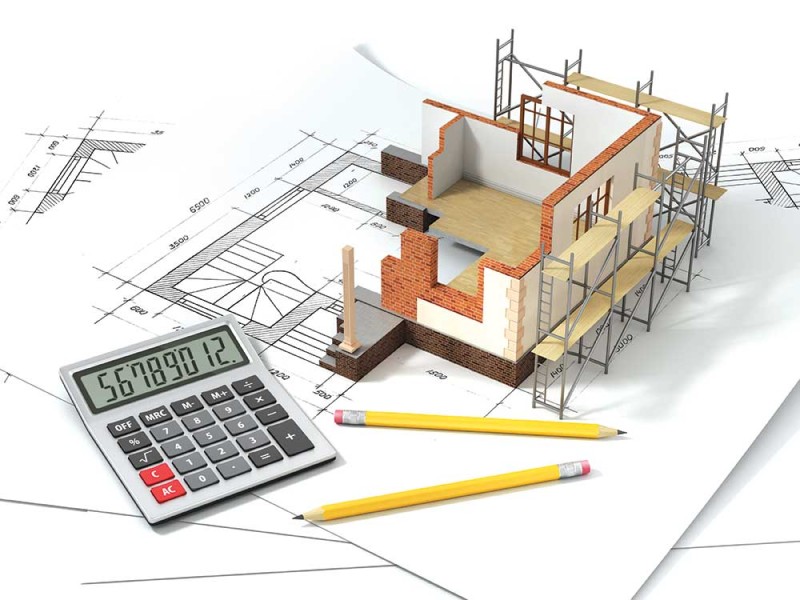
Quantity surveying is a construction industry role focused on managing all project costs to ensure value for money while meeting quality standards. A quantity surveyor analyzes project costs, prepares estimates, manages contracts, and oversees financial administration from project inception to completion. Key tasks include cost control, tender preparation, and negotiating contracts to keep a project within budget. 

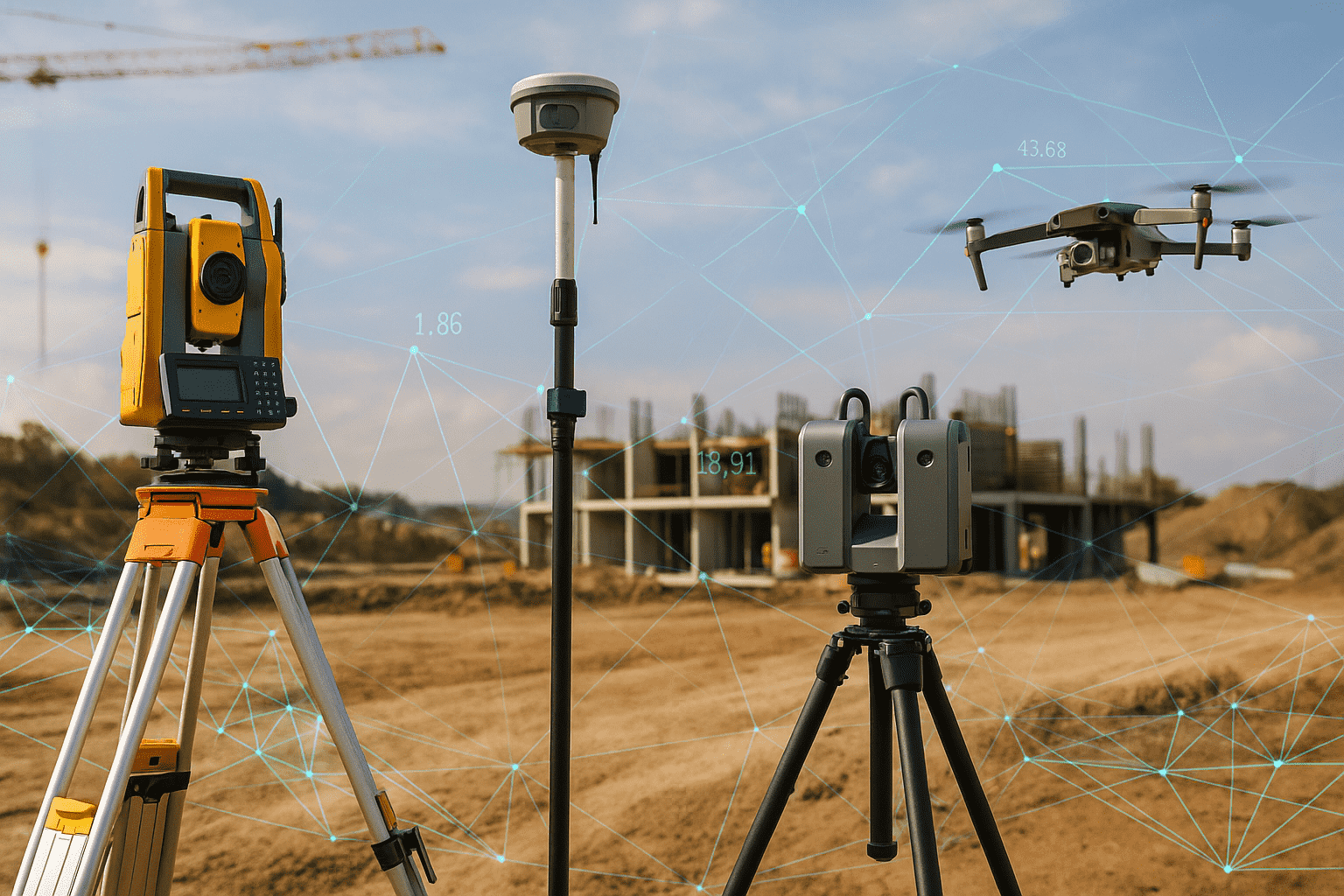
Land surveying is the science and profession of determining the location of points, distances, and angles on the Earth's surface to establish property lines, create maps, and guide construction and development projects. Land surveyors use specialized equipment to measure and analyze land, providing accurate spatial data for legal transactions like property sales, engineering projects, and land administration. 

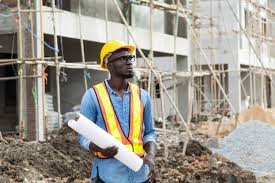
A building technician is a professional who works on construction projects, focusing on the technical aspects of buildingTheir duties can include site supervision, managing repairs, and ensuring projects meet safety and quality standards. They require skills in structural design, construction methods, material science, and technical drawing, often with training from technical and vocational colleges.  

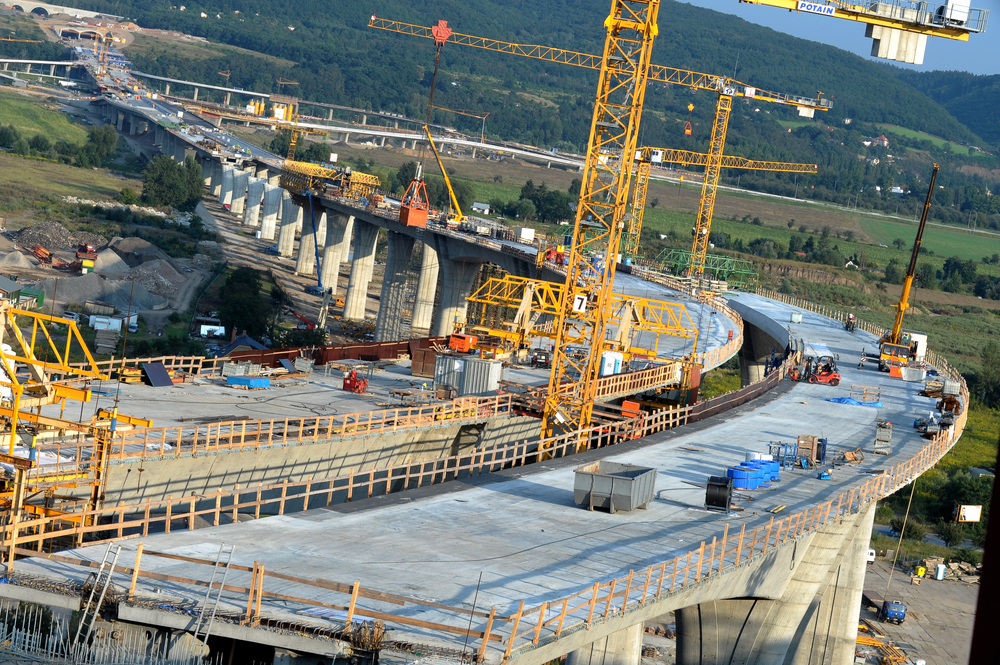
Civil engineering is the professional discipline that involves designing, constructing, and maintaining the physical and natural environment, including large-scale public works like roads, bridges, buildings, and water systems. It is a broad field that can involve roles in planning, design, construction, and management, with engineers working in both office and field settings. The profession originated to distinguish the work on civilian infrastructure from military engineering. 

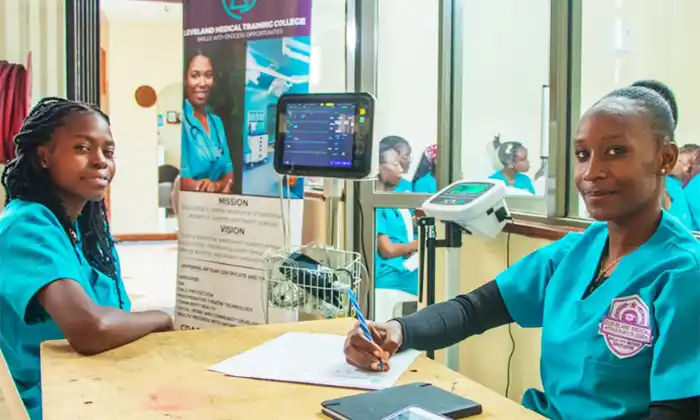
designed to equip individuals with the skills to manage health information systems and medical records effectively. 

An ICT (Information and Communications Technology) technician is a professional who installs, configures, maintains, and repairs computer hardware, software, and networks to support end-users and organizations. Their duties include a wide range of tasks from troubleshooting technical issues and monitoring system performance to supporting users with their ICT needs and performing basic system administration.